Who we are
Established in 2013, Project Rozana (Rozana) is an international organization promoting access to quality healthcare through joint initiatives between communities in conflict.
Grounded in health diplomacy
We believe that health is a fundamental human right, cooperative health measures can establish new communication channels, and a robust health system is paramount to lasting peace and prosperity. Rozana currently operates in Israel and Palestine, addressing healthcare gaps and building relationships between healthcare actors.
Headquartered in Switzerland, Rozana is a network of affiliates in Australia, Canada, Israel, Palestine, the UK, and the USA, with a regional operations team in the Middle East.
Our mission
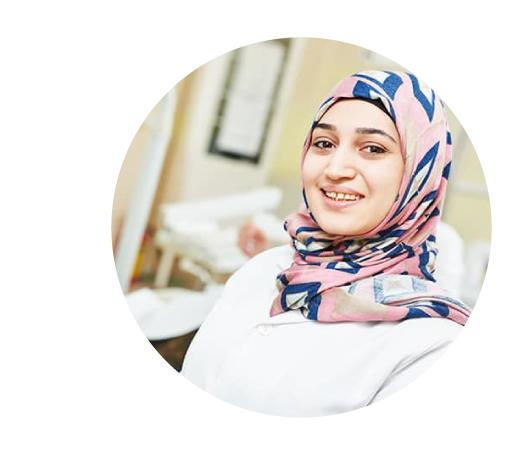
Rozana's mission is to promote cooperation between Palestinians and Israelis in the field of healthcare. We aim to address barriers to healthcare through joint Israeli-Palestinian initiatives.
Our work
Rozana operates on three interconnected levels:
Institutional
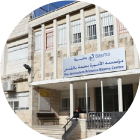
We connect healthcare institutions, identifying critical gaps and implementing health development solutions.
Professional
We create regional networks of healthcare professionals, facilitating knowledge-sharing and learning.
Grassroots
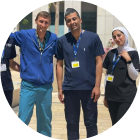
We improve healthcare outcomes for patients, fostering interaction between Palestinian and Israeli patients and practitioners.
Our approach
In addressing health disparities through its programming, Rozana promotes equitable access to healthcare.
In promoting sustainable institution and capacity building, Rozana strengthens the Palestinian health system, as a fundamental pillar of Palestinian statehood.
In developing and implementing cooperative healthcare programs, Rozana fosters communication and trust among healthcare institutions, professionals, patients, and communities.
In confronting barriers to healthcare that have created entrenched inequality for women and children, including gender-based violence (GBV), Rozana recognizes that gender equity is fundamental to conflict prevention.
In executing ongoing monitoring, evaluation and evidenced-based research, Rozana refines and anticipates future programming.
In engaging with global stakeholders, Rozana shares valuable lessons and best practices from the Israeli-Palestinian context.
In demonstrating the benefits of cooperation through the breadth of our activities, Rozana contributes to broader diplomacy efforts.
Our vision
Rozana's vision is to create more equitable and peaceful communities in Israel and the occupied Palestinian territories, by fostering collaboration and addressing healthcare disparities.
2022–2027 Strategic Plan
“Health is a cornerstone of society, never more so than now.”
Ron Finkel AM
Chair | Rozana International
You can read the 13-page report on-screen or as a PDF.