Interview with Dr. Nadine Teeti
September 30, 2024
Dr. Nadine Teeti, an accomplished obstetrician and gynecologist from Bethlehem, has a special passion for fetal medicine and bringing new life into the world—both professionally and personally. As a new mother to a 6-month-old son, she balances her medical career with the joys of motherhood. With experience ranging from high-risk pregnancies to fertility treatments, Dr. Teeti's compassionate approach and drive to stay ahead in the field make her a rising star in maternal care.
Why I Became an Obstetrician Gynecologist
Initially, my goal was simply to pursue a surgical specialty. However, it wasn't until two years into my practice that I truly fell in love with obstetrics and gynecology. I realized the profound impact I could have, not only through managing various cases but also by creating a safe space where women feel understood. This emotional support, I believe, is half the battle in treatment. Many conditions we address, such as vaginismus, STDs, and infertility, are often taboo topics in our Palestinian society. Providing a compassionate and understanding environment significantly aids in diagnosis and treatment.
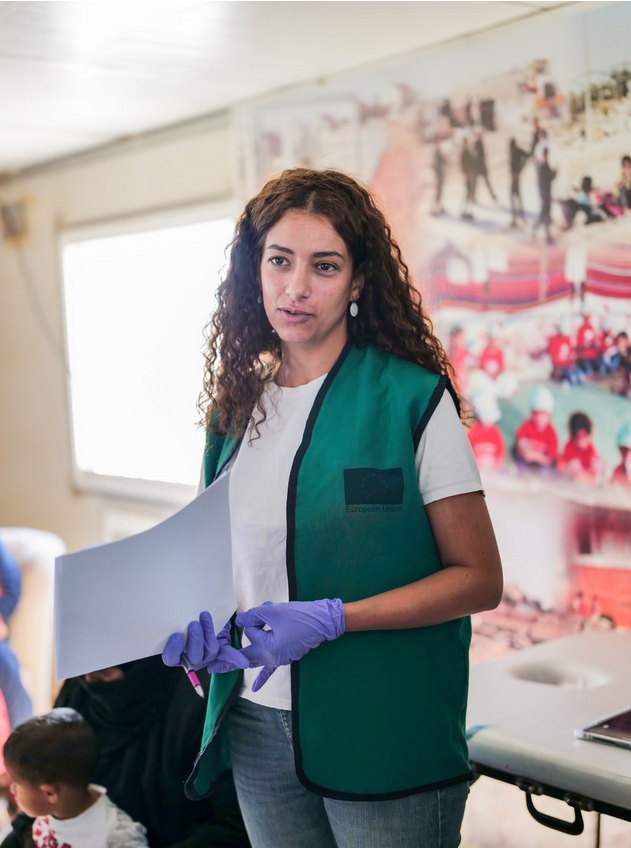
Experience with W4W
Working with Women for Women (W4W) was both uplifting and heart-wrenching. On one hand, it is incredible to deliver healthcare to those who might otherwise lack access due to poverty, geographic and political barriers, or lack of knowledge. On the other hand, it is heartbreaking to see the sheer number of people in need, not far from where I live in Bethlehem and my hometown of Hebron. Witnessing the joy on women's faces when we arrive, seeing them rush to call their friends and family, is priceless. One memorable moment was on Women’s Day when we brought donuts and the women made us homemade bread. Sharing that meal together was truly special.
How I Feel About My Fellowship
I am thrilled to embark on my fellowship at Shaare Zedek Medical Center in Jerusalem. Every doctor aspires to advance their career, and for me, the next step is a subspecialty in fetal medicine, which is scarce in the West Bank. Currently, we have only three fetal medicine specialists serving a population of over 3 million people. This fellowship represents a significant step forward in addressing this critical need.
Rozana’s Work
Rozana plays a crucial role in peer education for Palestinian physicians within the Israeli health system. In the West Bank, we have a limited number of main medical specialties and virtually no subspecialties. This shortage often forces non-specialized doctors to make risky decisions, and patients to take those risks due to a lack of alternatives. Since Palestinian doctors have started training in Israeli hospitals, there have been fewer transfers, and both doctors and patients report greater satisfaction and improved outcomes.